
In today's fast-paced digital world, industries from every sector are turning to ERP (Enterprise Resource Planning) to manage complicated workflows, large global supply chains, and real-time decision making to keep pace with |competition, flexibility demands, and efficiency expectations. ERP software has become one of the largest and most important long-term investments made by organizations. Whether your business requires manufacturing, retailing, servicing or distribution, a good enterprise resource planning implementation will help streamline your business processes, effectively integrating your departments and functions within one ERP system.
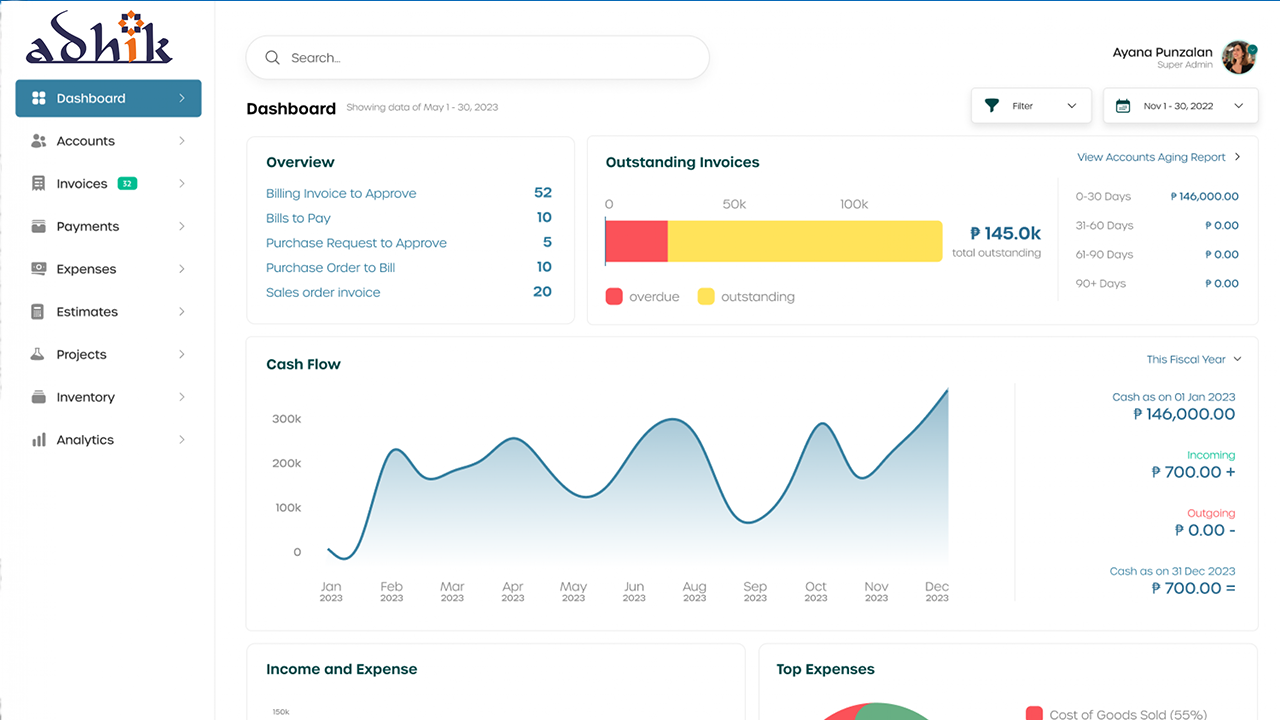
ERP (Enterprise Resource Planning) is the foundational technology that integrates a company's finance, procurement, manufacturing supply chain, inventory, human resource, sales and CRM (customer relationship management) functions to eliminate data silos and reduce inefficiencies across departments. It makes it easier to avoid the waste of time of running reports that are out of date by the time they're delivered, enabling leaders to make informed decisions.
ERP systems had a main use of financial and accounting features in the past. Modern ERP includes advanced analytics with automation, artificial intelligence, and process standardization. Modern systems are increasingly designed to scale to business needs and to meet changing market requirements.
A modern ERP system benefits a company when it can pull data from the company in real- time. Real-time visibility is important for any company who needs to watch production schedules, ship products, measure how employees perform, or work with what customers demand. Organizations without real-time perceptions might face delays, increased costs, missed opportunities, and decision-making based on outdated information.
For years, manufacturers have used Enterprise Resource Planning (ERP) systems to execute and schedule complex manufacturing operations. MRP modules in Enterprise Resource Planning systems, integrated with other modules, help the company control material and production efforts while minimizing waste.
ERP software aids manufacturers when supply chains grow global and complex. It helps them answer disruptions. It also helps them work with suppliers. ERP software provides the needed materials in the supply chain. Downtime lessens and products arrive on schedule.
Enterprise-level systems for global enterprises with complex financial organizational structures, multi-site operations, and wide-ranging supply chain.
Designed for companies of mid-market size with moderately complex requirements. They are well functional without the heavy customization and cost of tier.
These setups are generally more cost-effective and easier to implement for small businesses or limited-use applications.
The appropriate tier for a particular business will depend on the scale of the business, the number of countries where it operates, and the business processes. An experienced ERP vendor helps in this.
Technology developments led to newer deployment options
Installed on company servers, so more control and customization, but more maintenance required.
Hosted on vendor servers, accessible over the Internet. Often flexible, less IT burden, and may offer automatic updates.
A combination of both. Companies may store sensitive data on-premise while using cloud modules for remote or automated processes. For organizations moving from existing legacy systems to modern cloud-based systems, hybrid ERP is often the best choice.
Project management modules help businesses such as construction, engineering, and IT track project time, budget, materials, and deliverables. They also allow project managers to better collaborate with other departments.
Process Automation
Business processes like invoicing, payroll, and supply chain tracking can be automated to reduce errors.
Unified Data
A single source of truth reduces duplicated data and ensures that all departments are aligned on that data.
Improved Productivity
Employees can spend less time on manual activities and more on value-added activities.
Better Customer Service
Integrated CRM modules also allow for faster responses to queries and more tailored customer interactions.
Scalability
ERP systems are scalable to accommodate operational growth.
Cost Control
Up-to-date data helps businesses in budgeting and procurement decisions, optimizing inventory and avoiding unnecessary expenditure.
A major advantage of using EAM software is to extend the useful life of an asset by planning and tracking maintenance, and analysing trends and defects. By identifying and eliminating potential problems before they lead to costly or risky failures, reliability increases, reducing risk, and maintenance costs go down over the asset's useful life.
Organizations may also trace the TCO of the entire lifecycle (including acquisition, operating expenses and disposal) to provide organizations with sufficient information to help a manager decide whether to maintain or replace an asset.
Organizations must analyze the following criteria when selecting an ERP given the collection of ERP vendors.
ERP (Enterprise Resource Planning) is more than just software. An essential digital infrastructure for modern organizations, ERP systems integrate business processes, enable real-time data and analytics, and unlock efficient supply chain management to help organizations operate more accurately and confidently. From raw materials to manufacturing logistics, ERP technology has grown to include customer relationship management (CRM) as a critical component.