
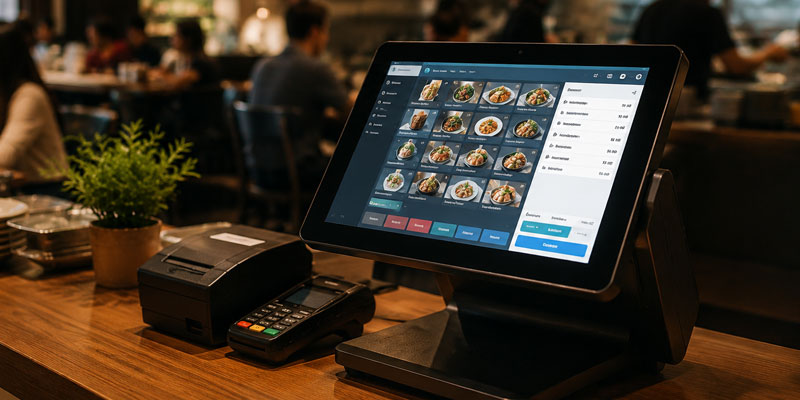
In the competitive food service market‚ the dining experience involves more than just the food and drink․ Fast service‚ accurate billing‚ convenient payment transactions‚ easy ordering‚ and consistency are other factors that affect the dining experience․ At the same time‚ restaurant owners want more information on sales‚ inventory‚ employee performance‚ and daily operations․
This is where a modern restaurant point-of-sale (POS) system can be a powerful tool․
A modern restaurant Point of Sale (POS) is more than a simple billing machine․ It connects all aspects of a restaurant operation: order management‚ table management‚ kitchen management‚ inventory management‚ payment processing‚ reporting‚ and customer service operations․
POS systems help restaurants‚ cafes‚ bakeries‚ cloud kitchens‚ quick-service restaurants (QSRs)‚ food trucks‚ bars‚ and other multi outlet businesses increase sales and provide a faster and easier experience for customers․
A restaurant POS system is a combination of hardware and software that enables restaurants to streamline their sales and other operations․ A restaurant POS system removes the need for manual billing‚ paper-based order taking‚ spreadsheets‚ and other standalone systems for payments‚ inventory‚ and payroll management․
Modern systems may help restaurants manage:
An example is Adhik POS‚ which is a restaurant management software and is not merely a billing software‚ and is designed to enable a restaurant to manage its billing‚ kitchen‚ stores‚ expenses‚ reports‚ and branches on a single software platform․
1․ Faster Billing Helps Serve More Customers
One of the best ways a restaurant POS can help build sales is to help move customers through the billing process․
Long wait times for a table‚ poor service‚ and slow transaction times during peak hours can lead to an unsatisfactory experience for patrons which results in lost revenue for the restaurant due to lost orders and repeat business․
For example‚ with the help of modern POS system‚ an employee can select an item‚ add modifications‚ discounts and taxes and print the bill which reduces the time spent on a table․
This can improve table turnover․
For example‚ if a restaurant's table turnover is much faster during peak hours‚ it may be possible to serve more customers without increasing the size of the restaurant․ The higher table turnover leads to higher revenues‚ and this is applicable in both the short term and the long term․
Additionally‚ fast billing does not require the employee to calculate an invoice by hand or with a calculator‚ which may reduce the chance of human error․
For customers‚ this means a faster checkout process‚ and for the restaurant‚ fewer billing problems․
2․ Accurate orders improve the customer experience․
Few things are more frustrating in restaurants than receiving the wrong order․
Also‚ during manual order taking‚ miscommunication may happen between customers‚ waiters‚ cashiers and kitchen staff that causes the wrong items to be served‚ their orders not to be customiz
A restaurnt's POS system creates a more organized flow of information․
Once the order has been entered into the system‚ it can be printed on a Kitchen Order Ticket (KOT) or other similar media‚ or otherwise presented to the appropriate section of the kitchen‚ instructing the people in that section what food to prepare․
If there are Indian‚ Chinese‚ bakery‚ grill‚ and beverage counters‚ the orders are filled in corresponding kitchen sections for efficiency․
Better communication can lead to:
With customers receiving what they requested and not having to repeat the same thing over and over‚ the service improves․
3․ Quicker service leads to stronger customer loyalty
Speed considerably impacts the customer experience․
Consumers do not expect all restaurants to be instantaneous‚ but do expect the service process to be orderly․ The time between ordering‚ preparation‚ billing‚ and payment is reduced with an efficient point of sale system․
For example‚ the workflow for a restaurant may be:
As these processes are integrated‚ a restaurant's team can then spend less time managing administration tasks․
This means employees can focus on their customers․
Faster service makes it more likely a customer will return‚ and a repeat customer is more likely to offer additional business because they are already familiar with the restaurant․
4․ Multiple Payment Options Make Checkout More Convenient
Payment convenience plays an important role in the customer experience․
Customers today prefer making payments using cash‚ UPI‚ credit or debit cards‚ and various digital payment methods․ Hence‚ a restaurant POS system should accept all of these payment options․
According to Adhik‚ its payment integration service‚ and UPI-enabled point of sale (POS) solution support complex payment and settlement workflows․
Creating a smooth payment process can minimize friction at the end of the meal‚ allowing diners to pay with their preferred payment method․
Centralized payment information allows restaurant owners to manage sales and reconciliation of customers through different modes of payment․
5․ Smart Reports Help Restaurants Sell More
One of the most important aspects of any point of sale system is its data․
Without solid reporting‚ restaurant owners and managers don't have the data they need to make business decisions․ POS systems provide owners and management with data related to sales‚ customer orders‚ product performance‚ and trends․
Useful reports may include:
These observations allow restaurant owners to answer key questions․
With better information‚ they are better positioned to make decisions about pricing‚ promotions‚ menu choices‚ staffing and purchasing․
For example‚ a restaurant may discover that certain items are frequently purchased in tandem and create a combo offer from those items‚ or it may identify slow-moving products that can be replaced․
That's how you can drive revenue from data․
6․ Inventory Management Helps Protect Your Margins
Increasing sales is important‚ but so is controlling costs․
Food waste‚ over-purchasing‚ theft‚ inaccurate record-keeping‚ and insufficient inventory control can cause a restaurant to lose money․ POS software systems often include inventory management and track how items enter and leave inventory․
Inventory management via recipe is very helpful․
Once menu items are linked to recipes‚ the system can be used to track the raw ingredients used when a product is sold and how much stock was consumed․
In a restaurant‚ each time a recipe is sold‚ the amount of goods used in that recipe can be deducted from inventory․
This can help restaurants:
Adhik POS for Restaurants includes features for recipe-based inventory‚ stock tracking‚ purchase management‚ and inventory visibility․
Better inventory control can increase profitability without increasing the number of customers․
7․ Table Management Improves Restaurant Efficiency
For dine-in restaurants‚ table management is another area where POS systems can offer useful functionality․
As a restaurant may have sections‚ tables and groups of customers‚ tracking occupied tables‚ open orders‚ and split or combined bills may be problematic without a POS system․
A restaurant POS system can give a better overview of table activity․
Staff can manage:
It helps to reduce confusion during busy periods․
When staff know where guests are seated‚ what orders are active‚ and which bills are pending‚ service will generally improve․
A more organized dining floor can result in a faster table turnover and an improved guest experience․
8․ Offline Billing Keeps Business Running
Technology is only useful if it works when the business needs it․
The restaurant may depend on internet connection to process every bill‚ in such a case one internet outage may cause a disruption in the entire process․
Adhik POS also supports offline billing‚ making it possible for restaurants to use it without internet․
This needs to be done during busy times․
This means that customers should not have to wait for a network connection before their bill can be generated and staff should be able to continue serving customers․
Offline capability can provide an additional layer of operational reliability․
9․ Role-Based Access Improves Accountability
A restaurant usually has many employees: owners and managers‚ cashiers‚ captains‚ cooks‚ and accountants․
Not all staff members should have access to everything․
A role-based access POS system can limit authorizations based on job role․ This can help restaurant owners better control access to sensitive actions‚ such as editing a bill‚ providing discounts‚ canceling a bill‚ and accessing financial information․
It also improves accountability․
The plan will enable restaurant owners to better understand who does what‚ and monitor changes․
Useful for restaurants with many employees or multiple restaurants in a chain․
10․ Multi-Outlet Management Supports Business Growth
Many restaurant businesses later grow from a single location to multiple․
However‚ for operations with multiple branches‚ owners or management may want to compare the sales‚ inventory‚ expenditures‚ and performance between the branches․
Data records are cross-referenced by using a centralized POS system․
Multi-outlet features can help businesses with:
Adhik positions its POS platform as suitable for restaurants and multi-branch entities‚ with features managing franchise stock and providing consolidated visibility․
This makes it easier for the owner to monitor the business․
11․ Better Customer Experience Leads to More Sales
The connection between customer experience and revenue is simple․
Customers are more likely to return if they have good experiences such as faster service‚ accurate orders‚ and easier payments․
A restaurant POS system provides this experience behind the scenes․
Although they may not know the software they are using‚ customers know the results:
These improvements create more professional and reliable experiences for visitors to the restaurant․
Such satisfied patrons are also likely to give word-of-mouth marketing to a restaurant‚ write positive reviews and become repeat customers․
A modern restaurant POS system is much more than bill printing and cash handling․
It can therefore help make the restaurant more profitable by enabling it to receive payment sooner‚ turn tables faster‚ better plan menus‚ reduce operational mistakes‚ and gain business insights․
At the same time‚ it speeds up and increases the reliability of orders‚ kitchens‚ bills and payments‚ improving the customer experience․
Technology can help restaurants to gain transparency and control over day-to-day operations so they can make better decisions․
Whether you own a restaurant‚ café‚ bakery‚ cloud kitchen‚ QSR‚ food truck‚ bar or run a multi-outlet food business‚ a good Point of Sale (POS) solution can help you simplify your operations and fuel growth․
With features like billing in seconds‚ real-time reports‚ inventory & recipe stock‚ table management‚ offline billing‚ payment integration‚ role-based access‚ and multi-branch management‚ a thorough such as Adhik POS helps restaurants not just with billing but also with managing and running their business more effectively․