
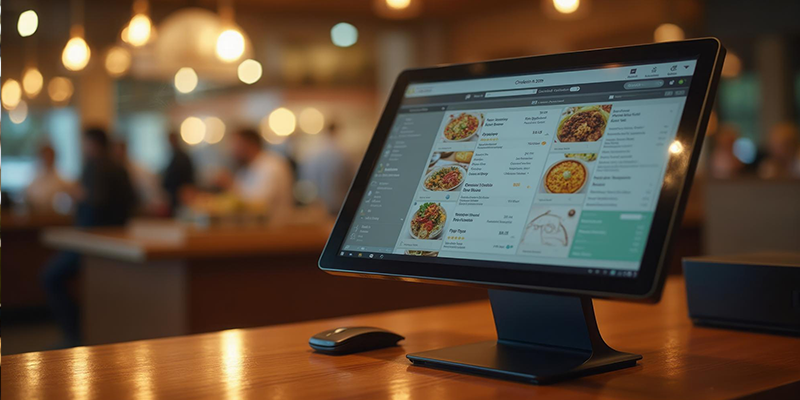
In the food industry‚ where speed and customer experience are paramount‚ the most basic requirement for any restaurant or food service establishment is a good Point of Sale (POS) system․ A point of sale system‚ whether for a small local cafe or a large chain of restaurants‚ helps business operations․
A restaurant POS system refers to the combination of hardware and software that a restaurant uses to take orders‚ process transactions‚ and manage every aspect of its business operations on a single platform․ A POS system is the central hub of the front and back of house․
In simple terms‚ it is the place where a customer places an order and completes payment‚ but modern POS systems are much more than just billing․
A restaurant POS system can function as a complete solution․
Automation reduces manual labour‚ and increases accuracy in all areas of operations․
POS systems are used across multiple industries and business types. Here are some common use cases:
These features allow restaurant owners to make better decisions․
Orders are sent directly to the kitchen‚ reducing waiting times and improving customer satisfaction․
Digital order entry is generally more accurate than taking orders by hand.
Orders are sent directly to the kitchen‚ reducing waiting times and improving customer satisfaction․
POS systems automatically track stock levels‚ helping companies reduce waste and stockouts․
Workloads are reduced‚ and time is saved by automating tasks such as billing‚ reporting‚ and inventory․
Sales trends‚ popular items‚ and peak hours are tracked through regular reports․
Orders are sent directly to the kitchen‚ reducing waiting times and improving customer satisfaction․
Faster service‚ accurate orders and multiple payment options improve the overall dining experience․
Each type suits businesses with different needs and budgets․
A restaurant's daily operations include orders‚ staff management‚ inventory management‚ and finance management․ A POS system integrates all these functions on a single platform‚ which can help the restaurant owners manage its operations effectively․
Without a POS‚ order mistakes‚ lengthy wait times‚ and inventory control can inhibit restaurant startups․ A point of sale system allows restaurants to operate faster and more profitably․
A restaurant POS system is no longer a luxury‚ it's a necessity for any modern food business‚ ensuring everything from sales tracking and reporting to customer service needs is met․
Choosing the right POS system for your restaurant could make a big difference to its efficiency‚ its accuracy, and‚ ultimately‚ its success․